

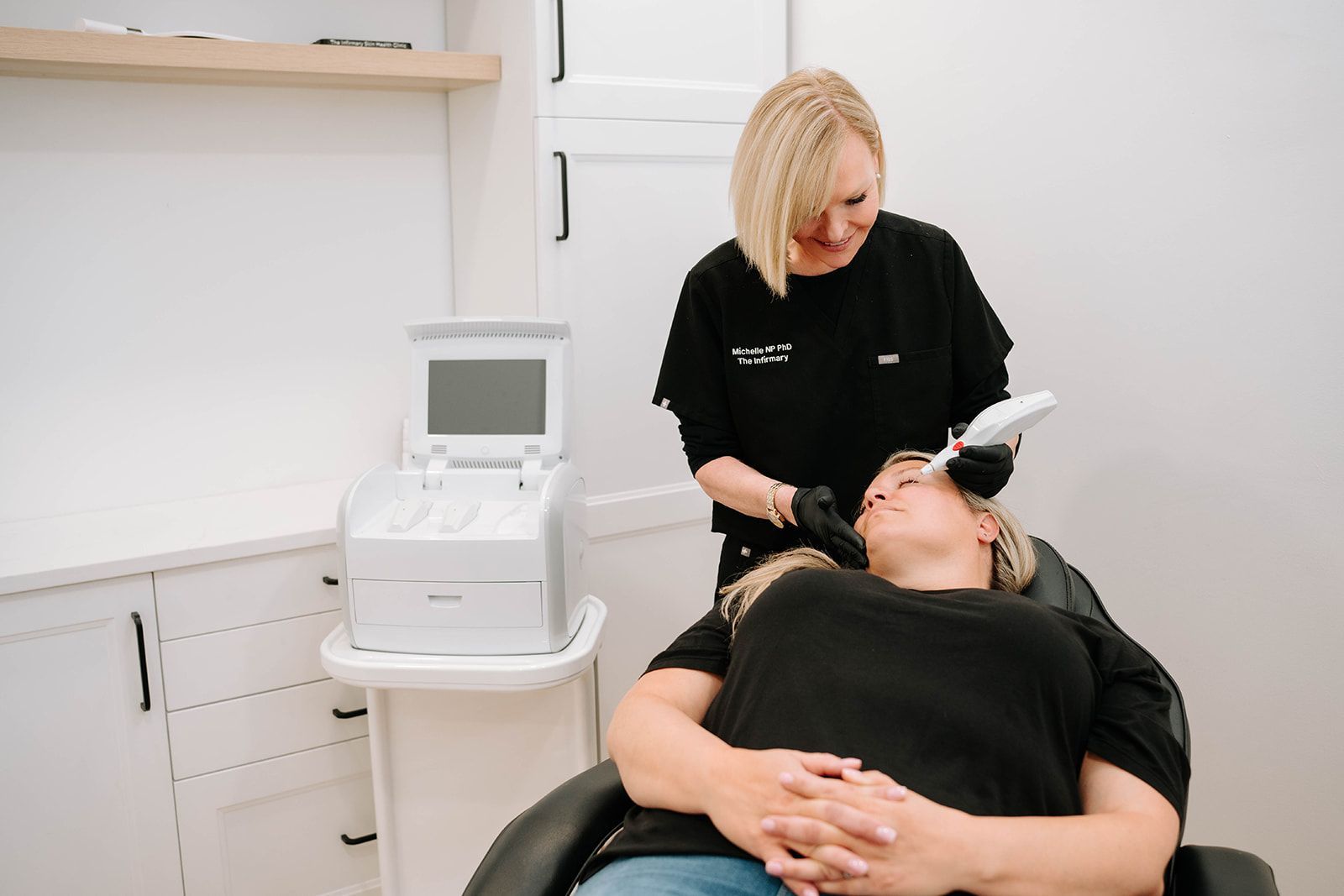
eye rejuvenation.
WHAT IS EYE REJUVENATION
The eye area is one of the first places to show signs of aging due to its thin, delicate skin and constant movement. Changes such as dark circles, hollowness, puffiness, crepey texture, crow’s feet, or upper eyelid laxity can make the eyes appear tired or aged even when you feel well-rested. These concerns may be caused by genetics, thinning skin, pigment or vascular visibility, loss of collagen, weakened support structures, or changes in the fat pads around the orbit.
Comprehensive eye rejuvenation focuses on strengthening the skin, improving circulation, restoring volume where needed, and tightening lax tissue — all while respecting the natural anatomy of this sensitive area.
How We Treat
Following a detailed consultation, we customize your treatment plan using one — or a strategic combination — of the therapies below, tailored to your unique skin needs:
- Platelet Rich Plasma (Injectables & Topical)
- Skin Boosters (NCTF, VAMP)
- Cryotherapy (Glacial Rx)
- Ablative Treatment (Tixel)
- Dermal Fillers
- Non-Surgical Blephroplasty (Plexr)
- Fractional Laser (eCO2)
Compatible Products
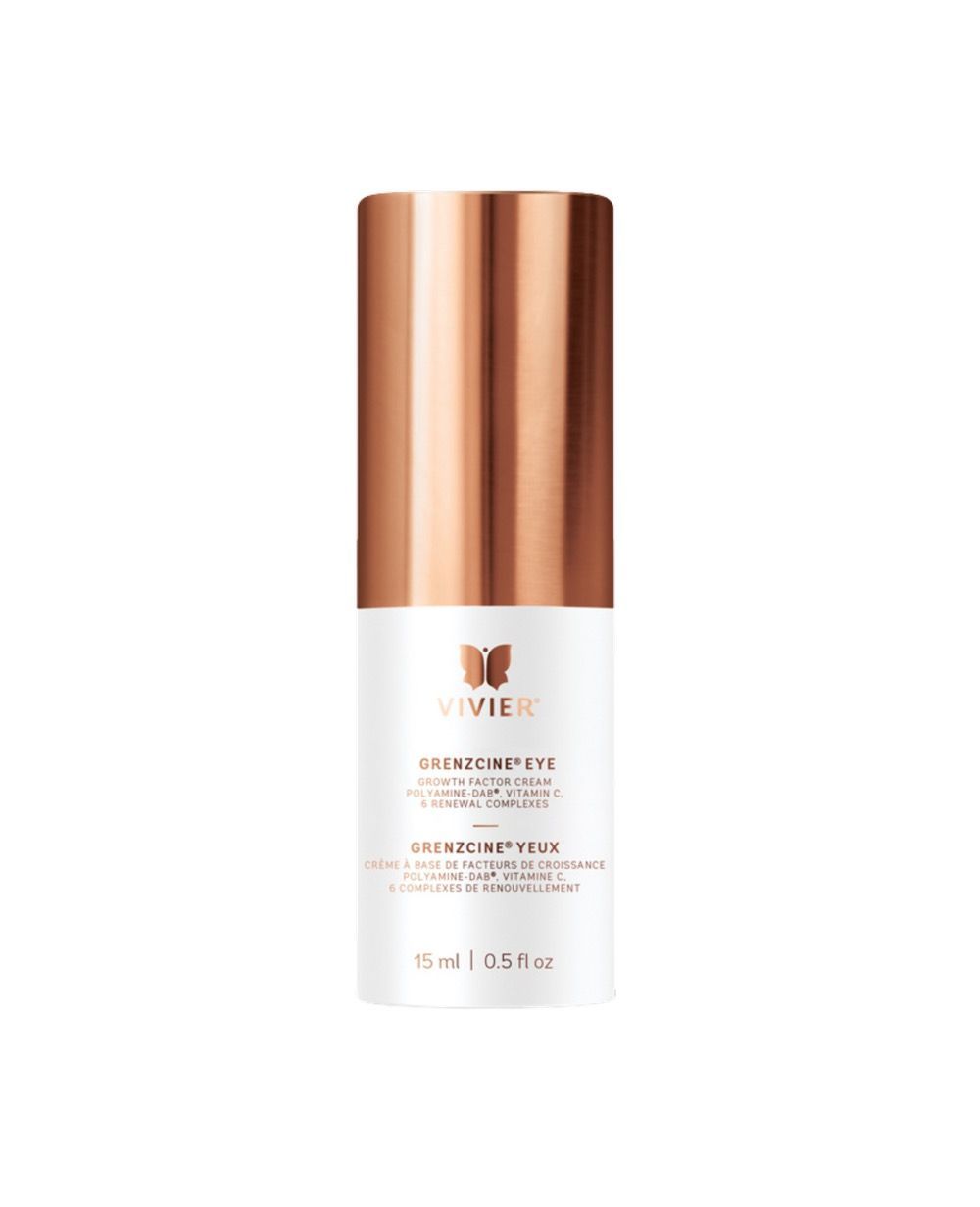
To support and extend your in-clinic results, we recommend the following medical-grade products as part of your at-home routine:
- Vivier CE Peptides
- Vivier Radiance Serum
- Vivier Retinol
- Vivier Dark Circle Eye Cream
- Vivier Grenzcine Eye
- Vivier Radiant Contour Eye Cream
- SPF
Frequently Asked Questions
1. What causes aging around the eyes?
The eye area has the thinnest skin on the face, making it more prone to collagen loss, pigment changes, fat pad shifting, and laxity. Genetics, UV exposure, allergies, and lifestyle factors can all contribute to dark circles, puffiness, or fine lines.
2. How does PRP improve the undereye area?
PRP stimulates collagen, enhances circulation, and improves skin thickness — reducing darkness, crepiness, and fine lines while promoting a healthier, brighter appearance over time.
3. What treatments help with upper eyelid laxity?
Upper eyelid laxity can be treated with Plexr® non-surgical blepharoplasty, Tixel, or CO₂ fractional resurfacing, all of which tighten loose skin and improve eyelid definition without traditional surgery.
4. When is filler recommended for the eyes?
Filler is only recommended when hollowness or shadowing is caused by volume loss, not pigment or thin skin. A consultation determines whether filler, PRP, laser, or a combination approach is most appropriate.
5. Are eye treatments safe for sensitive skin?
Yes. Many treatments — like PRP, Glacial, and certain lasers — are safe for sensitive or reactive skin types. Your provider will tailor the approach to ensure safety and optimal results.